

UV Coating for Polywood
Review when your surface brief is wood-based and you need a different substrate match.
Open Polywood pageSPC FLOOR FINISHING / UV-CURABLE COATING
Finish targets, curing fit, and substrate boundaries
A uv coating for spc floor gives SPC flooring teams a clear low-gloss target, while the same system can be read as a practical floor coating for finish control, line fit, and sample approval.
BIOF supports high permeability, good sealing, good flow and leveling, high hardness, fast curing speed, and project-level discussion for gloss levels and curing speeds.

These checks separate a useful SPC floor coating brief from a broad material search and help you decide whether this product fits your line.
| Check | Why it matters | |
|---|---|---|
| Low-gloss target: 3~5 degrees or 5~8 degrees | Use the finish range to align samples, showroom boards, and customer approval before ordering. | |
| Flow, leveling, and curing fit | These features decide whether the coating can run cleanly through the production line and keep a uniform finish. | |
| SPC substrate wording | Confirm that your project is really SPC-based and not a broader floor coating request for another surface. | |
| Project customization needs | Gloss levels, curing speeds, and formulation changes should be discussed with your sample and line setup in mind. |
Review the main product image alongside the finish signals that matter most for SPC flooring production work.
This SPC floor UV coating is presented for finish control on SPC flooring lines, with low-gloss range options, surface-leveling support, and project-based customization for gloss and curing speed.
| Product Name | UV Coating for SPC Flooring |
|---|---|
| SKU | UV for SPC |
| Application | SPC flooring surface treatment and floor finishing processes |
| Finish Range | 3~5 degrees or 5~8 degrees low-gloss target |
| Surface Behavior | High permeability, good sealing, and good flow and leveling |
| Curing Behavior | High hardness with fast curing speed |
| Customization | Formulations, curing speeds, and gloss levels can be discussed by project |
| Product Page | Open the current product page |
The listed gloss ranges make it easier to brief samples, showroom boards, and finish approval.
Flow, leveling, and curing behavior are positioned for SPC flooring finishing workflows.
Gloss level and curing speed can be discussed around your own substrate and sample requirements.
Use these three angles to decide whether the product should stay as an SPC floor coating brief or move toward a broader material discussion.
If you want a calmer finish with less reflected light, this is the lower low-gloss range to compare with your sample board.
If your collection needs a little more surface presence while staying low-gloss, this range can help you brief the target look.
Use PVC SPC wording only when the project is actually SPC-based; broader floor coating language needs its own compatibility check.
These related product pages help you compare surface type, finish use, and substrate fit without leaving the same site.
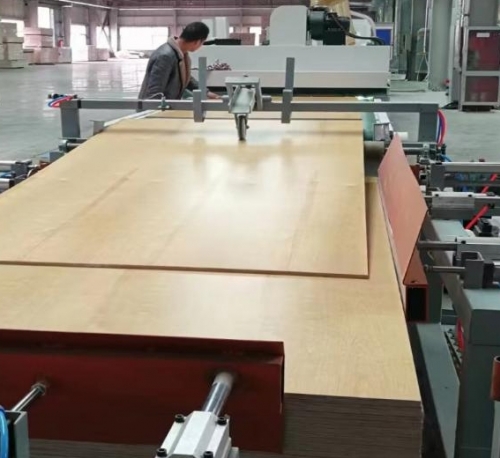
Review when your surface brief is wood-based and you need a different substrate match.
Open Polywood page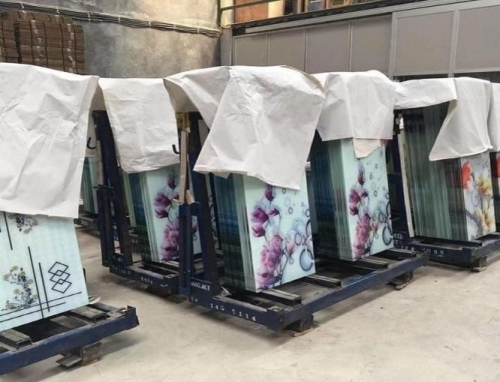
Useful when the finish need belongs to glass surfaces instead of flooring.
Open Glass page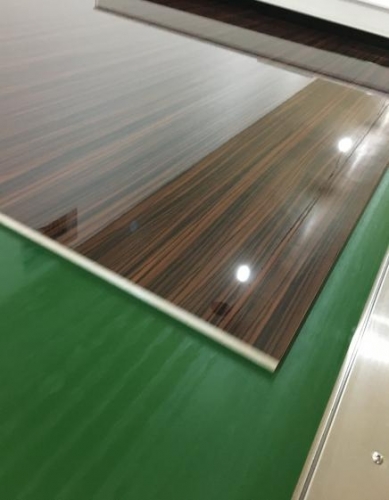
Compare when your production brief is melamine-panel finishing rather than SPC flooring.
Open Melamine page
Compare when your surface is furniture rather than a flooring substrate.
Open Furniture pageThree short reads explain the gloss target, production-line fit, and substrate boundary behind this product.
Compare the two low-gloss ranges against sample boards, showroom expectations, and finish approval language.
Read the gloss articleConnect flow, leveling, hardness, and fast curing with coating application, UV exposure, handling, and inspection.
Read the line articleKeep SPC substrate wording separate from broad floor coating claims when another material may be involved.
Read the substrate articleShare a few project details and the supplier can talk about the right gloss band, coating behavior, and finishing setup.
Tell the team which SPC board or flooring structure you are finishing.
Share whether your sample needs the lower or higher low-gloss range.
Note the coating method, UV curing setup, and any line constraints.
List any sample boards, finish photos, or test expectations you want matched.
Six practical questions buyers usually ask before they move this coating into a project brief.
They describe low-gloss finish targets for SPC flooring. The 3~5 degree range reads flatter, while the 5~8 degree range keeps a soft sheen. Use the range as a visual finish target, then confirm samples and project requirements before ordering.
No. Fast curing is useful, but line speed also depends on UV lamp setup, coating amount, film build, substrate condition, and handling after curing. Treat fast curing as one part of the decision, not the full production answer.
Keep the wording tied to SPC flooring substrates and review whether your project is really an SPC line or a broader floor coating request. If another base material is involved, confirm adhesion and performance with a sample test first.
Send your target gloss band, the SPC substrate type, the coating method, the curing setup, and any finish samples or test expectations. That gives the supplier enough context to discuss a project-specific gloss target.
No. It is presented for SPC flooring and SPC substrate use. Broader floor coating wording can help with navigation, but other materials still need their own compatibility review and sample confirmation.
Review the gloss range, the finish features, the SPC substrate boundary, and the customization note about formulations, curing speeds, and gloss levels. Then decide which details to share for your sample request.

